


Welcome to MainframeMatters Jul/Aug issue!
This issue explores areas of interest to enterprises using Db2 z/OS in 2026. Topics include AI, hybrid cloud integration with the mainframe, and modern management tooling. Rather than asking whether the mainframe has a future, the focus is on the architecture, tools, and skills that will help keep it at the center of enterprise computing.
On the subsystem side, the Db2-smarter-REORG and concurrency-versus-throughput articles remind us that many performance gains still come from the fundamentals. Keeping objects and statistics current, together with making informed choices around locking, isolation levels, and thread limits, can often deliver significant improvements before more complex tuning or infrastructure investments are considered.
The risk and security articles provide a useful reminder that modernization extends beyond technology. Infotel explores the importance of retaining institutional database knowledge as experienced professionals retire, while the Kerberos guide demonstrates how Db2 authentication can be aligned with modern identity infrastructure. Together, they show that successful modernization depends as much on people and security as it does on new technology.
Check out the articles in this and past issues to see keep up with the latest across the mainframe space - thanks for reading MainframeMatters!
Mainframe Power, Modern Control: A New Era of Mainframe DBA Productivity
The mainframe is the bedrock of the global economy, the unparalleled engine driving transactions and securing the world's most critical data. Its power, reliability, and security are unmatched, and as the platform continues to evolve, so must the experience of the professionals who manage it. (Read the full article)


Why Scheduled Db2 REORGs Are Costing You Money: A Smarter Approach for z/OS
For decades, scheduled REORG jobs have been a standard part of Db2 for z/OS administration.
Weekly, monthly, or quarterly maintenance windows are established, and REORGs execute according to the calendar regardless of whether they are actually needed. The problem is that some tables experience heavy insert, update, and delete activity daily, while others may remain virtually unchanged for months.
Still, many organizations continue to apply static maintenance schedules across thousands of objects, consuming valuable CPU resource, extending batch windows, and performing work that delivers little or no measurable benefit. The unfortunate truth is that many REORGs accomplish almost nothing.
The Hidden Cost of Calendar-Based REORGs
A REORG is one of the most resource-intensive utilities in the Db2 toolbox. It consumes CPU cycles, generates I/O, competes for system resources, and often requires additional RUNSTATS and image COPY... (Read the full article)
Top Ten Db2 Performance Tips – No. 9 Regular Maintenance and Housekeeping
When thinking about the performance characteristics of your Db2 databases and applications keep in mind the routine maintenance that can help or hinder your performance. Regular maintenance and housekeeping tasks are essential for ensuring the optimal performance and stability of your Db2 environment.
By performing routine maintenance activities, database administrators can proactively address performance degradation, optimize query execution, and maintain a healthy database environment. In today’s post, we will highlight the importance of regular maintenance tasks and discuss key activities that contribute to database performance.
Index Maintenance
Indexes play a crucial role in query performance, as they facilitate quick data retrieval. Over time, indexes can become fragmented, leading to increased disk I/O and decreased query performance. Regularly reorganizing indexes helps eliminate fragmentation and enhances query execution efficiency. By scheduling index reorganization tasks based on the fragmentation level and database activity, administrators can maintain optimal index performance and minimize the impact of fragmentation on query response times...
The Greatest Database Risk

Most organizations think their greatest database risk is downtime. It isn’t. It’s the slow, quiet loss of institutional knowledge.
For decades, enterprise systems; especially those running on Db2 for z/OS, have benefited from something rarely documented and often taken for granted: experience. Not just technical skill, but accumulated understanding. The kind that tells you why something was designed a certain way, not just how it works.
And that knowledge is disappearing.
(Continue reading)
Configuring Db2 with Kerberos Authentication
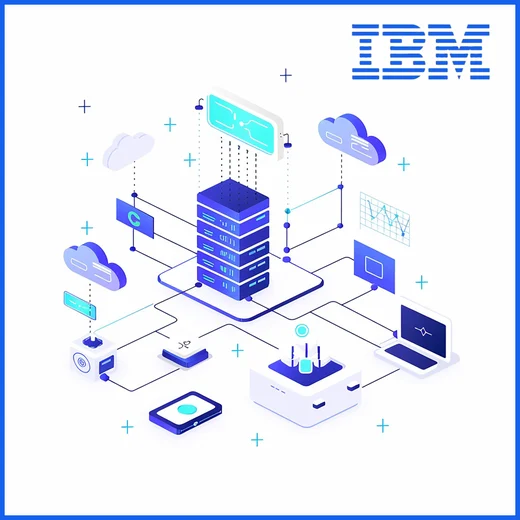
Kerberos authentication centralizes security by using ticket-based authentication to authenticate users and services without sending passwords over the network. When Db2 is integrated with Kerberos:
• Db2 server authenticates clients based on Kerberos service tickets.
• Clients authenticate to the Kerberos Key Distribution Center (KDC) to obtain tickets.
• Db2 validates client tickets via the keytab file containing its service principal credentials.
• Authentication becomes seamless and secure (Read more)
Concurrency vs. Throughput in Db2
As Db2 DBAs we often find ourselves chasing two elusive targets: speed and capacity. We want our systems to handle everything all at once, and we want it done yesterday. But as database architectures evolve and workloads grow increasingly complex, DBAs must constantly manage the delicate, often misunderstood relationship between two fundamental metrics: Concurrency and Throughput.
It’s easy to mistake one for the other, or to assume that maximizing one automatically boosts the other. But the two are not the same. Let’s break down what these terms really mean for your Db2 for z/OS subsystems and why balancing them is the key to a healthy production environment.
In an ideal world, as concurrency increases, throughput rises right along with it. But database systems don't operate in a vacuum. They are bound by physical limitations: CPU, memory, I/O bandwidth, and, most importantly, locking and latching mechanisms. (Read the full article)
Mainframe Trends 2026
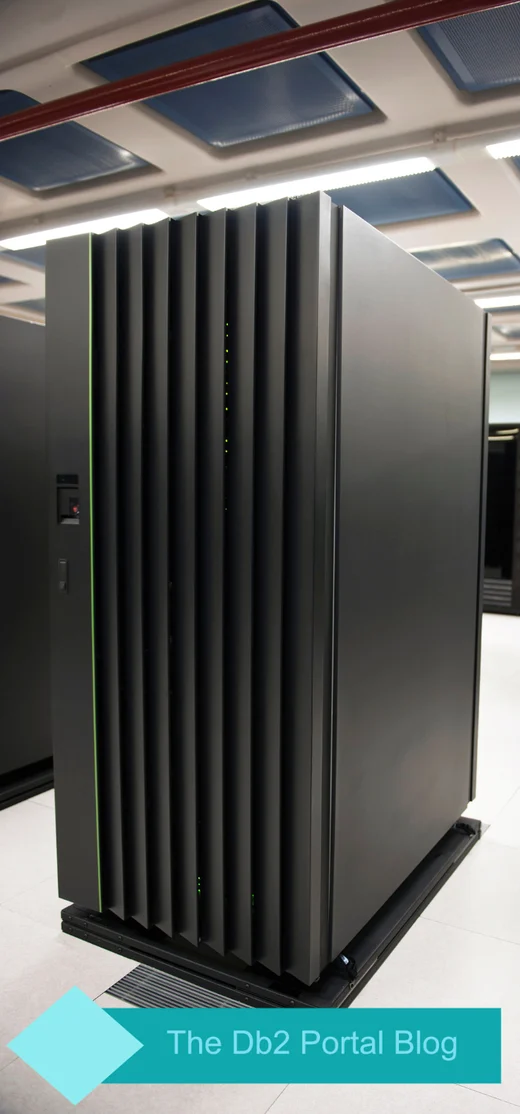
In the world of mainframes right now, the conversation has shifted from "How do we get off the mainframe?" to "How do we make the mainframe the heart of our AI and Hybrid Cloud strategy?"
As of early 2026, the hottest mainframe-related trends are focused on some form of AI adoption and integration on Z. Here are the mainframe trends that I see as of early February 2026.
Agentic AI & In-Transaction Inference
Mainframers are no longer just talking about basic machine learning. The focus is now on Agentic AI as organizations look to build autonomous AI agents that live on the mainframe to handle complex tasks like real-time fraud detection and "self-healing" operations.
The goal is to run AI models directly on the processor (IBM Telum-driven systems) so that every single transaction can be screened by AI and processed efficiently (less than 1 millisecond). Doing this can eliminate the "latency tax" of sending data to the cloud for analysis, which is a game-changer for banks and insurance companies. (Read the full blog)